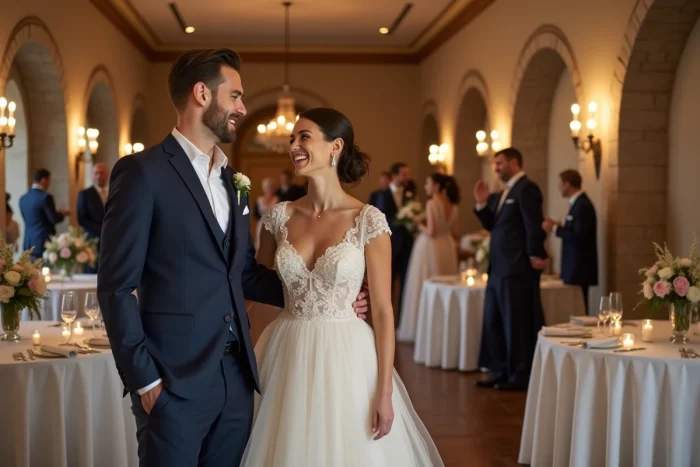
Organizing a wedding involves dozens of decisions over a few months. Choosing the venue, selecting vendors, sticking to the budget, managing guests: every detail matters to ensure the day remains a happy memory. Here are ten concrete tips, tested by event professionals, to structure your preparations without losing sight of what really matters.
1. Lock in a wedding budget with a contingency margin

Before visiting any reception venue, set a realistic overall amount. Break it down by category: venue, caterer, photographer, attire, decoration, entertainment. Each category receives a fixed envelope.
Allow for a safety margin of at least ten percent on the total. Overruns almost always occur (last-minute catering extras, forgotten equipment rentals). If you exceed one category, immediately compensate by cutting back on another. This discipline prevents the snowball effect that turns preparations into a source of anxiety.
To delve deeper into each step of planning, find the keys to a successful wedding on Univers Mariage with additional insights on budget and logistics.
2. Check the regulatory constraints of the venue before signing
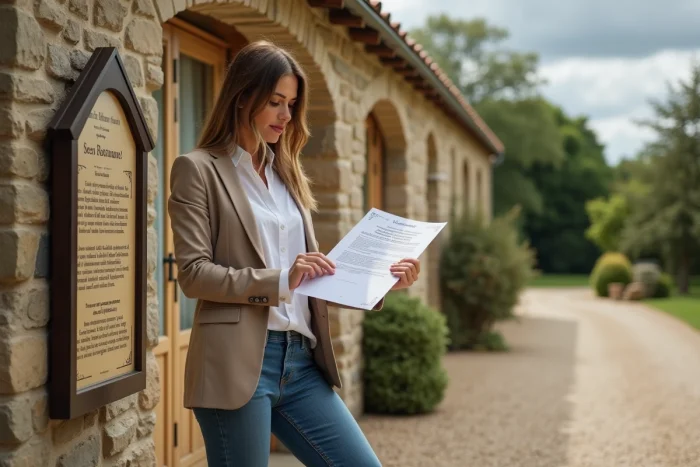
Have you spotted a beautiful estate? Before paying a deposit, inquire about the municipal regulations in effect. Since 2023, many French municipalities have specific ecological rules governing weddings: prohibition of balloon releases, maximum noise levels, end-of-evening hours.
The Association of Mayors of France reports an increase in these regulations aimed at limiting noise pollution and festive waste. A planned fireworks display without authorization can be canceled on the day itself. Contact the town hall of the reception venue and request a written list of restrictions.
3. Require a written contract with each vendor

The professional organization LÉVÉNEMENT (formerly Anaé) has been warning since 2022 about the increase in URSSAF checks in the event sector. Any agreement with a vendor must be documented in a written contract, detailing the service, price, cancellation conditions, and liability insurance.
In case of an accident or inspection, an undeclared vendor exposes the couple to legal complications. Always request a SIRET number and proof of insurance. This reflex protects your budget and your peace of mind.
4. Finalize the guest list before choosing the reception venue

Why this advice so early in the preparations? Because the number of guests determines the size of the venue, the catering budget, the number of tables, and transportation logistics. Choosing a charming estate before knowing whether you’re inviting forty or one hundred twenty people creates a costly mismatch.
Create a list in three columns: essential, desired, optional. Confirm the final list with two people before any booking. This avoids a chain of additions that can blow the budget and complicate the seating plan.
5. Choose a wedding theme consistent with the venue

A wedding theme gives direction to all the decoration, from stationery to centerpieces. A common pitfall: choosing a theme disconnected from the venue. A tropical theme in a medieval castle results in an incoherent outcome.
Start with the venue itself. A vineyard suits a country or rustic theme. An urban loft calls for a minimalist or industrial style. This coherence simplifies decorative choices and reduces unnecessary expenses.
6. Plan the secular ceremony like a real show
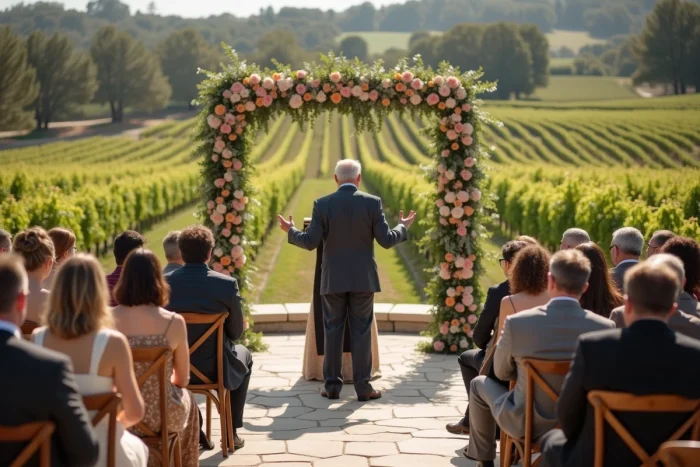
The secular ceremony has become a highlight of the wedding, often more personal than the civil ceremony. It deserves meticulous preparation: choosing the officiant, writing the texts, involving loved ones, and selecting entrance and exit music.
Rehearse the ceremony at least once at the actual venue. Test the sound system, check the orientation relative to the sun, time the speeches. A secular ceremony lasting more than forty minutes loses the guests’ attention.
7. Create a varied and tested reception playlist

Musical entertainment sets the mood for the entire evening. Whether you hire a DJ or a live band, provide a reference playlist with your favorite tracks and those to avoid at all costs.
Consider the different moments of the day:
- Soft music during the cocktail and meal, to allow for conversation
- Gradual energy build-up after dessert, with crowd-pleasing hits
- Prepared first dance (even a simple slow, as long as it has been rehearsed)
8. Prepare a weather backup plan for outdoor reception

Organizing an outdoor reception without a backup solution is a risky bet regardless of the month. A weather backup plan is not a luxury, it’s a necessity.
Check that the venue offers sufficient covered space or rent a reception tent. Plan for the transfer of the seating arrangement, sound system, and decoration indoors. Inform your vendors (photographer, caterer, florist) of this dual setup as soon as the contract is signed.
9. Delegate on the day to an identified coordinator

On the wedding day, the bride and groom should not manage logistics. Designate a trusted person (witness, organized friend, or professional wedding planner) as the sole coordinator.
This person has the minute-by-minute schedule, contact numbers for all vendors, and the authority to make decisions in case of unforeseen events. A single point of contact for all vendors on the wedding day avoids contradictory instructions and cascading delays.
10. Create a dedicated email address for wedding planning

This advice may seem simple, but it radically changes the daily routine of preparations. A shared email address (like [email protected]) centralizes all communications with vendors, quotes, confirmations, and invoices.
Both partners have access to it. No more need to forward messages or search for a quote in a cluttered personal inbox. Create folders by vendor and a “signed contracts” folder from the start. This organization prevents forgetfulness and misunderstandings, especially as communications pile up as the ceremony approaches.
Organizing a wedding relies on decisions made early and maintained over time. Couples who keep a written record of every commitment, check local constraints, and delegate on the day truly enjoy their day instead of enduring it.